
Forest Lake Address History by Era
A former Forest Lake household is best traced in layers. Start with a present-day parcel identifier and work toward the period that matters. Washington County's modern parcel systems connect an address to an owner, PIN, situs display, legal description, and sometimes sale information. The recorder then links people to instruments. Earlier records move out of a single portal and into assessor rolls, township material, directories, census schedules, and archival collections. No single layer proves both ownership and occupancy.
The table separates the strongest sources by time and purpose. A deed identifies a recorded transaction, while a directory or census can place a household at an address at a particular time. The county cautions that its historical document images and the online index do not have the same boundary, so an older hit may require the public research room or an archive request.
| Forest Lake source | Period available | Where to use it | What it can establish |
|---|---|---|---|
| RecordEASE recorder index | 1984 to present online; older images reported converted with varying search access | Washington County Recorder and public research room | Recorded instruments, names, legal descriptions, and title aids, not occupancy. |
| CTAS and county tax data | Current tax years; sales described as reaching to the 1980s and earlier | County parcel portal or tax-data request | PIN, owner, address types, classification, values, and property data. |
| Washington assessor rolls | 1856-1901 and selected later roll years | Minnesota Historical Society finding aids | Historical assessed person and property leads that need a current-PIN crosswalk. |
| Directories and telephone books | No complete Forest Lake run confirmed | Minnesota Historical Society search service and incomplete WCHS holdings | A historical household or address lead when a matching volume exists. |
| Federal and state censuses | Federal through 1950; Minnesota state censuses from 1849 through 1905 | National Archives and MNHS People Records | A dated household snapshot, not a current address claim. |
For a recent transfer, begin with the PIN and the recorder. For a nineteenth- or early twentieth-century question, begin with the legal description, assessor-roll period, township label, and archive finding aid. The key is to state what a record actually proves before adding the next source.
Forest Lake Previous Residents and Situs Warnings
A street number is useful for orientation, but Forest Lake previous residents are easier to trace when the address is tied to its county parcel identifier. The Washington County property map searches by property ID, address, or owner and provides a Details panel after a parcel is selected. CTAS can search by parcel number, property owner, street number, street name, city, legal description, subdivision, and other parcel fields. Keep the PIN, legal description, tax year, and displayed address type together in notes.
Those distinctions matter. The county tax-data form says the primary situs is informational and search-only. It may not be a valid mailing address and may not exist for every PIN. A mailing address can be outside Forest Lake, and a homestead or classification field is only context, not conclusive proof that a named person lived on the parcel.
The screenshot of the Washington County Property Records overview shows the county's land-record gateway.
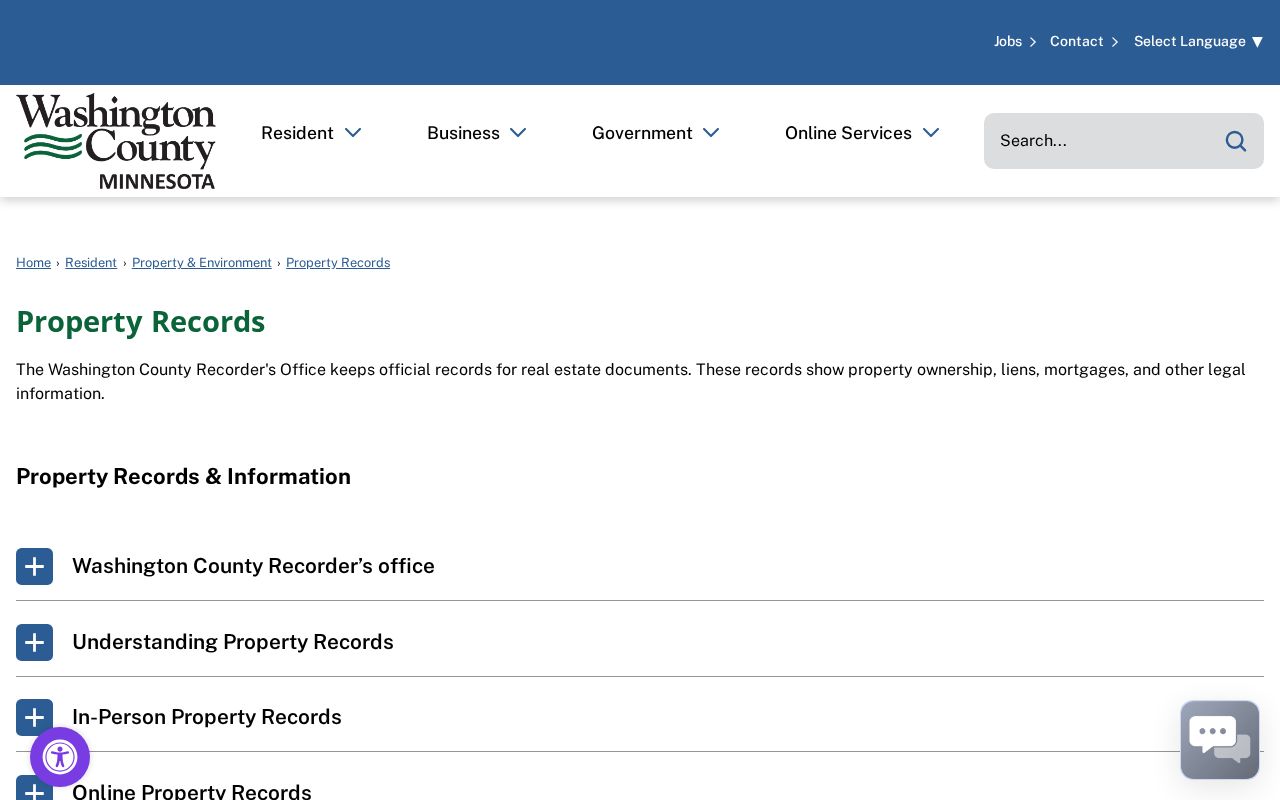
Use that gateway to keep the assessor, recorder, tax, GIS, and title paths separate as the address history moves backward.
Forest Lake Previous Residents in RecordEASE
RecordEASE is the Washington County recorder route for the deed chain. Its index begins in 1984. The county reports that records before 1984 were converted to electronic images, but it does not promise a uniform older search boundary. When a name or address search stops too soon, the public research room at the Government Center in Stillwater is the useful fallback for older material and images.
Use the current owner's name as a grantee search, find the acquisition instrument, then take the seller's name back as the prior grantee. At every step, compare the legal description. An address can change while the lot, block, subdivision, or metes-and-bounds description stays stable. Washington County also has both abstract and Torrens land, so a parcel marked Torrens may require the Certificate of Title or tract-card route instead of an ordinary deed chain.
The RecordEASE gateway is the source shown in this image.
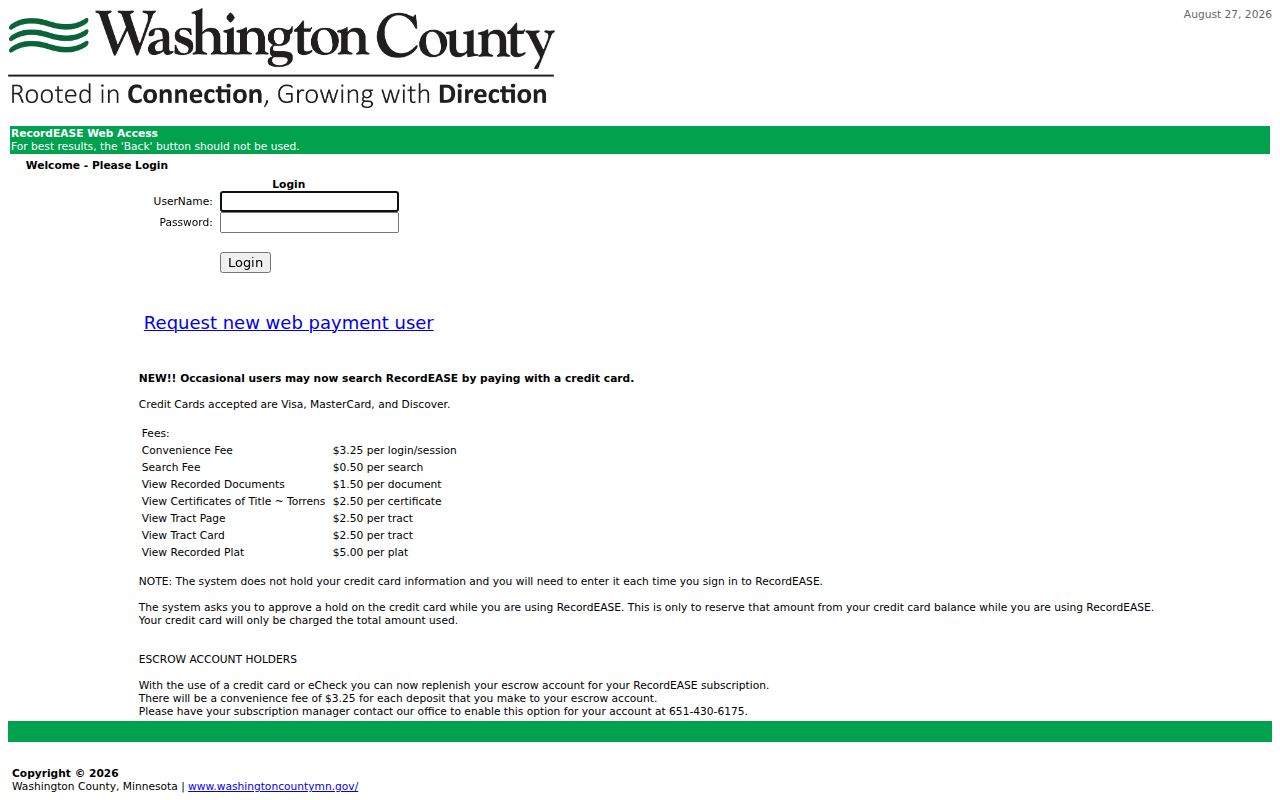
The gateway points to a recorder index, not a ready-made house history, and image access or charges can differ from a basic search.
- Locate the parcel in county GIS or CTAS and record the PIN, legal description, current owner, and tax-year context.
- Search the current owner as a grantee in RecordEASE and open the acquisition instrument or its index entry.
- Record the grantor, grantee, recording date, document number, instrument type, and legal description before moving backward.
- Search the seller as the earlier grantee and repeat the comparison with the same parcel description.
- When the online route is incomplete, ask the Recorder or research room about the older abstract, Torrens, tract, or image path.
- Grantor and grantee
- The grantor transfers an interest in an instrument; the grantee receives it. Those roles can reverse at the next point in the chain.
- Chain of title
- A sequence of recorded instruments associated with the same parcel or legal description. It is a transaction trail, not a list of occupants.
- Legal description
- The formal lot, block, subdivision, section, or metes-and-bounds description used to identify land when an old street address is unclear.
- Torrens record
- A title-system record represented by a Certificate of Title rather than only the usual abstract-document path.
Forest Lake Prior Owners in Older Rolls
Before the modern parcel portal, Washington County assessor rolls offer a different kind of lead. The Minnesota Historical Society finding aids list rolls from 1856 through 1901, plus selected periods in 1910-11, 1920-21, 1930-31, 1940-41, 1950-51, and 1960-61. They can associate a person or property with a historical tax period, but matching a roll entry to a current Forest Lake parcel takes corroboration from plats, deeds, and local geography.
Forest Lake Township records add another layer. The holdings include 1917-18 birth and death material as well as minutes, assessments, tax and election records, road records, and other series. Those narrow spans and series gaps matter. An absent entry should be reported as an absence in that collection, not as proof that a household was not present.
The Washington County Historical Society Forest Lake collections provide a local entry point for many of these historical trails.
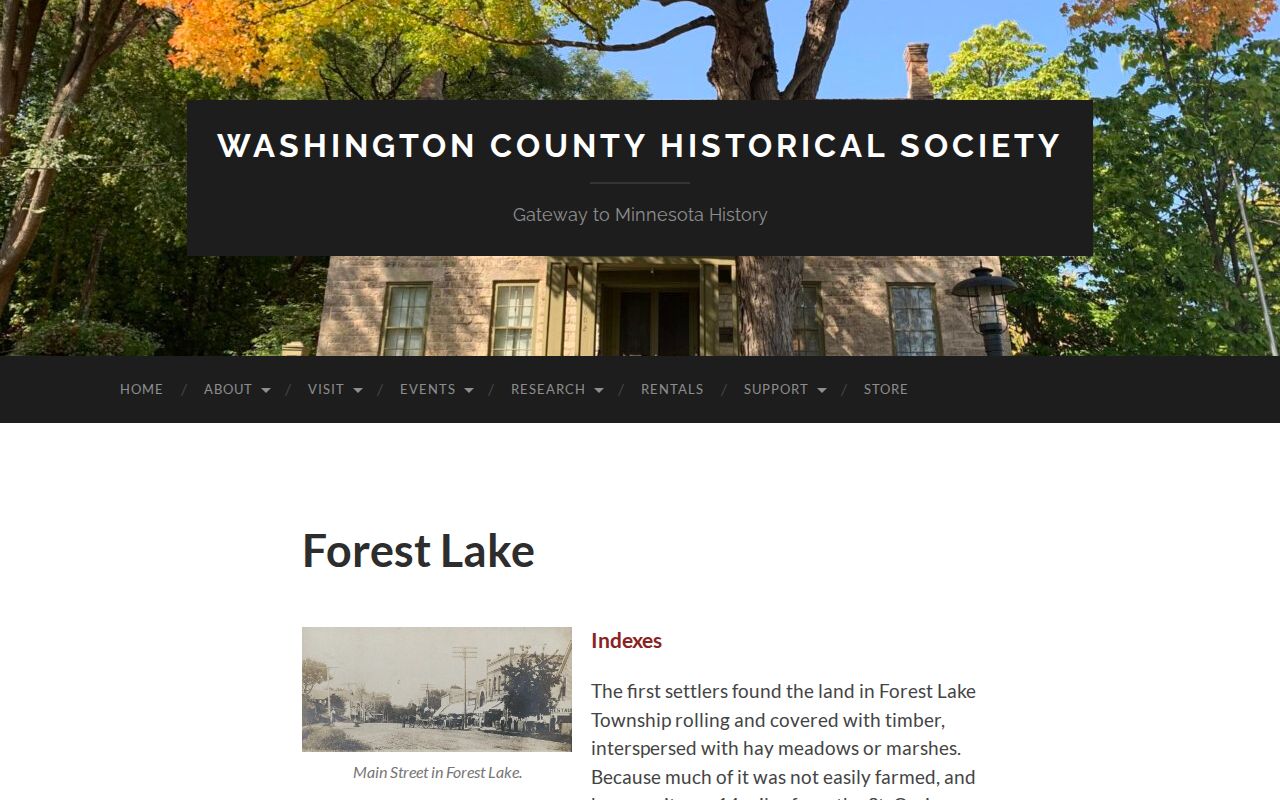
Collection-level access is important because a name index, a digitized item, and an onsite archive record are different things.
Past Forest Lake Households in Census Records
Ownership is only one part of a past household. A directory, telephone book, or census may point to who lived at or used an address at a given date, yet none should be stretched beyond its scope. Forest Lake lacks a confirmed complete local city-directory run. Minnesota Historical Society can search one person or business in up to five years of one city's directories or telephone books when the volume exists. WCHS telephone holdings are incomplete. Those are research leads, not a guaranteed address roll.
Federal census schedules are released through 1950, while MNHS People Records offers Minnesota state census collections from 1849 through 1905. Pair a directory or telephone result with the closest census and then test the address, jurisdiction label, and household composition. A directory usually centers on the head of household, and a missing name may reflect the publication's practice rather than a move.
The National Archives census research guide appears below.
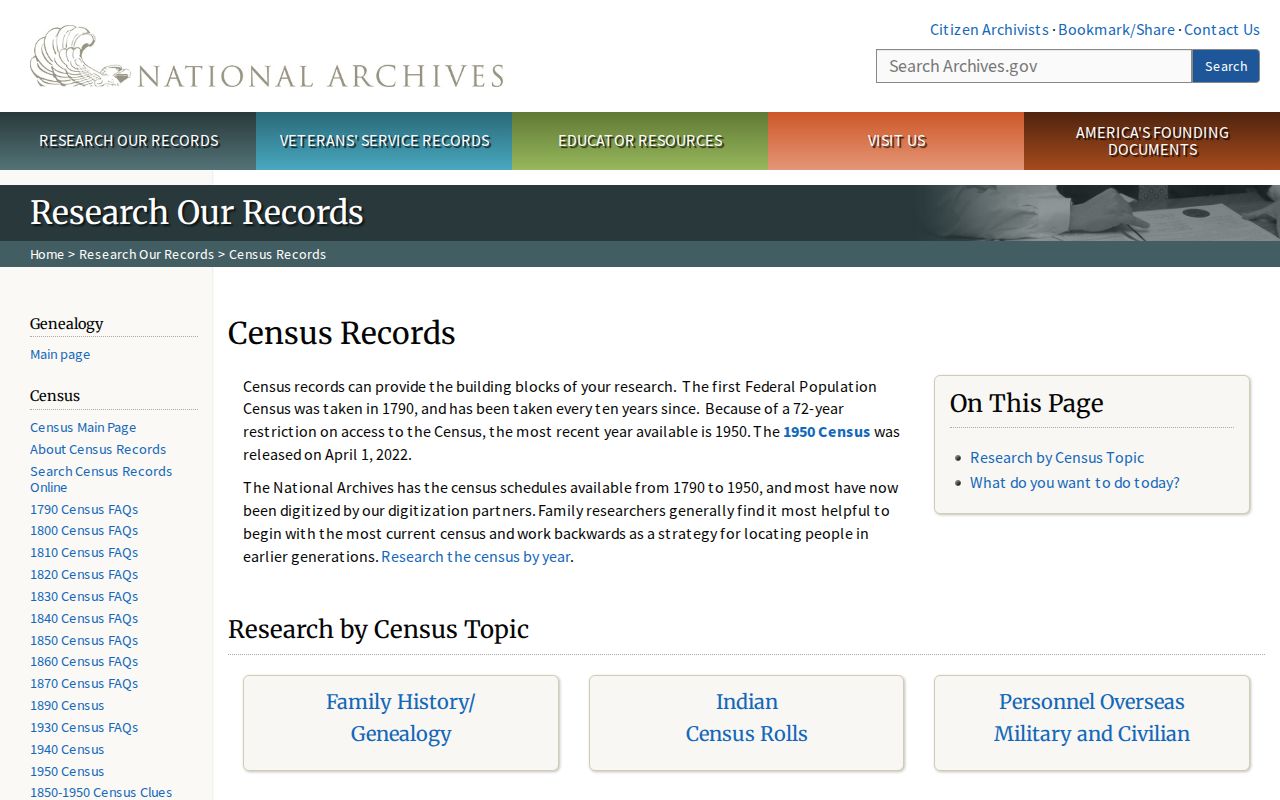
When name indexing fails, an enumeration-district search can be more useful than assuming the household did not appear.
- Write down the historical address exactly as printed, including the township, village, or postal wording.
- Check whether a directory or telephone volume exists for the target year and transcribe only the displayed household lead.
- Compare the nearest released federal or Minnesota census, using spelling variants and enumeration geography when needed.
- Test the address against a plat, assessor roll, or legal description before treating it as the modern Forest Lake location.
- Use an obituary, cemetery source, or probate file as a lead to family context, then verify the estate or burial record separately.
For the historical collections themselves, the Forest Lake city directories and archive page is the better place to compare the available shelves and search services.
Forest Lake House Histories and Map Clues
Maps and permit records can date the physical story of a parcel without identifying every person who lived there. The Minnesota Historical Society genealogy map guide directs researchers to Sanborn fire-insurance maps for 1867-1950 and guides for 1950-1970, but this research did not confirm a Forest Lake-specific Sanborn sheet or date. Plat books, road records, and township labels can still help test whether an old description belongs to the same land.
Forest Lake building and zoning records can show a project address or PIN, owner, contractor, work class, valuation, and inspection or permit trail where the record exists. A permit date is evidence of work or review, not an ownership or move-in date. Cross-check it with an assessor record and a recorded instrument before drawing a house-history conclusion.
The Minnesota Historical Society genealogy maps guide is shown here.
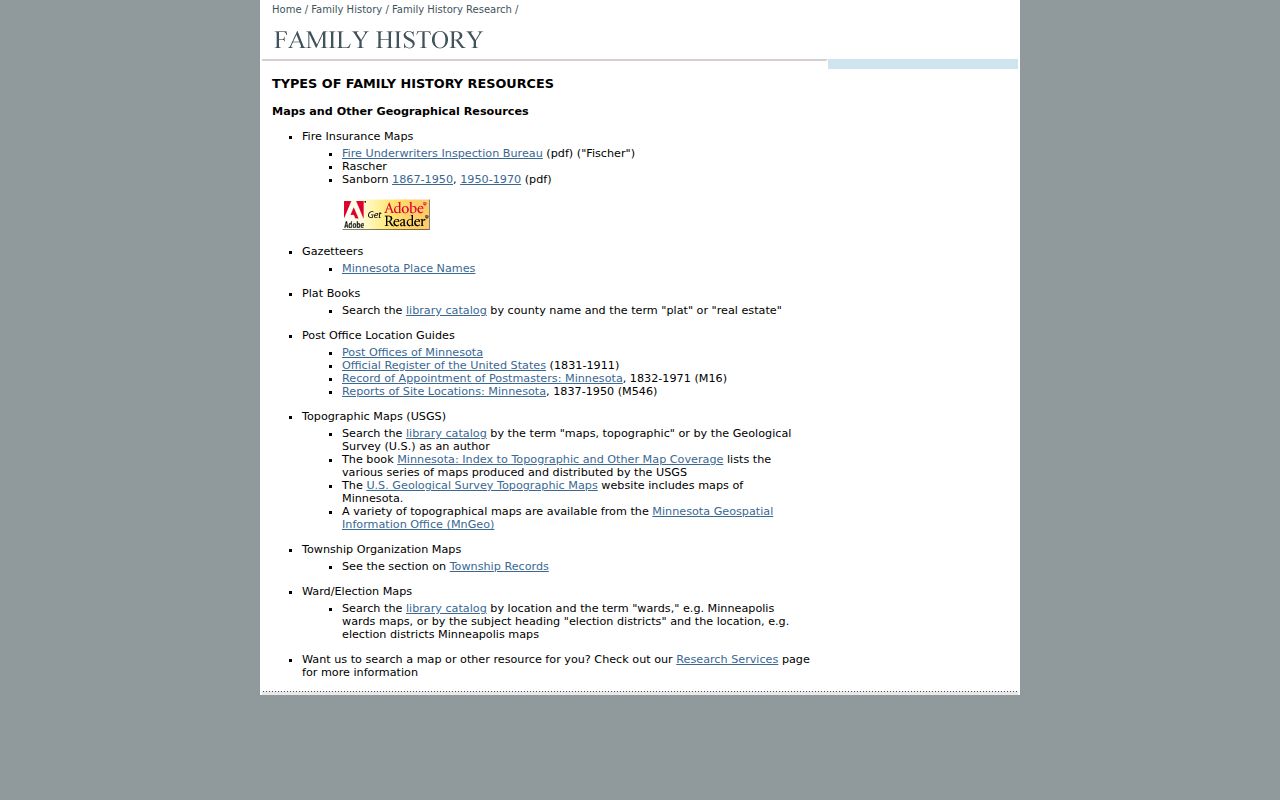
That guide is a map-research route, not proof that a particular Forest Lake map sheet covers every address.
Forest Lake Under Earlier Jurisdictions
Older Forest Lake records may look inconsistent because the jurisdiction changed around the household. The village was platted in 1868 and organized in 1893, became a statutory city in 1974, and the city and township combined in 2001. The city history also connects settlement to the railroad completed through the area in 1869 and to seasonal lake homes that later became year-round homes.
Search Forest Lake, Forest Lake Township, Forest Lake Village, Washington County, and the name printed on the original record. Do not silently turn a township entry into a city record. The change in label can explain why two sources describe the same place differently, but it does not prove that a family moved or that an old address has an exact modern match.
The City of Forest Lake history page documents these jurisdiction changes. It helps explain search terms, while parcel and archive evidence remains necessary for an address match.
Limits on Forest Lake Previous Residents
A recorded deed proves that an instrument was recorded. It does not prove the buyer moved in, that the seller left, or that every person in a household lived there. Similarly, a census is a dated snapshot, and an obituary can omit or simplify relationships. Use probate files, final decrees, cemetery registers, and archival material to investigate an estate or family question, but state the record's date and limits beside the finding.
Some gaps are part of the honest result. No complete Forest Lake city-directory run, official street-renumbering chronology, or universal earlier online deed cutoff was confirmed in the research. Preserve the old address wording, compare it with plats and legal descriptions, and ask the custodian or archive about the exact collection instead of forcing a modern address match.
Lawful use. Forest Lake previous-resident research fits house history, family history, estate questions, and civic curiosity. Do not use public records to track, harass, intimidate, or expose a living person.